
Introduction
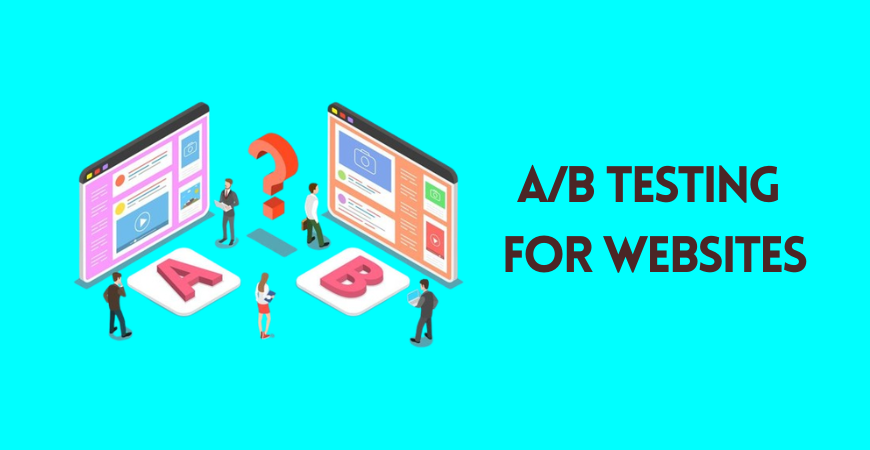
A/B testing for websites has become one of the most discussed strategies in conversion rate optimization. From landing pages to product pages, businesses everywhere are experimenting with different headlines, buttons, layouts, and offers to improve conversions. The idea sounds simple: create two versions of a page, show them to visitors, and identify which one performs better. However, many beginners assume that running tests automatically leads to better results, which is rarely true.
The reality is that most website experiments fail long before the test even begins. Businesses often focus on changing colors, fonts, or button designs without understanding why users are leaving the page in the first place. This creates misleading outcomes and causes marketers to make decisions based on incomplete data rather than real user behavior.
That is why understanding the hidden side of A/B testing for websites matters so much. A successful test is not just about comparing two versions of a webpage. It involves user intent, conversion metrics, behavioral analysis, and proper experimentation methods. Beginners often ignore these foundational elements, which is exactly why many tests fail to improve actual business results.
Why A/B Testing for Websites Is More Than Just Changing Designs
A common misconception about A/B testing for websites is that it is mainly about visual design changes. Many beginners believe changing a button color from blue to red or increasing the font size will dramatically improve conversions. While design can influence user behavior, successful testing depends more on understanding why users hesitate, leave, or fail to complete an action.
For example, imagine an ecommerce store with a high cart abandonment rate. A beginner may decide to test a different checkout button color. But the real issue may be unexpected shipping costs shown at the final stage. In that case, the problem has nothing to do with the button design. Testing random visual elements without identifying the actual friction point often wastes traffic and time.
This is why experienced marketers start with behavioral analysis before launching experiments. They examine user journeys, drop-off points, and visitor intent. In many cases, the winning variation comes from solving a user concern rather than redesigning a page.
Before starting any experiment, it is also useful to understand broader conversion tracking strategies because conversion data provides the foundation for meaningful testing decisions.
The Biggest Beginner Mistake: Testing Without a Clear Hypothesis
One of the most overlooked aspects of A/B testing for websites is hypothesis creation. Beginners frequently run experiments without knowing what problem they are trying to solve. They simply test random ideas and hope conversions improve.
A proper hypothesis explains:
- What is causing friction
- Why users may not be converting
- What change might solve the issue
- Which metric should improve
Here is the difference between weak and strong testing approaches:
| Weak Testing Idea | Strong Testing Hypothesis |
| “Let’s test a green button.” | “Users may not notice the CTA clearly, so improving visibility could increase clicks.” |
| “Try shortening the form.” | “The form may feel overwhelming, so reducing fields could improve completion rates.” |
| “Let’s add animations.” | “Users may not trust the offer, so adding testimonials may improve credibility.” |
Without a hypothesis, testing becomes random experimentation rather than strategic optimization.
This is one reason many businesses believe A/B testing for websites “does not work.” The issue is usually not the testing process itself but the absence of a clear purpose behind the experiment.
Why Low Traffic Can Produce Misleading Test Results
Many beginners ignore the importance of traffic volume during website testing. Running experiments on pages with very little traffic can create false winners and unreliable conclusions.
Suppose a page receives only 100 visitors per week. If Version B gets two extra conversions, beginners may immediately assume it is the winner. However, such a small sample size does not provide statistically reliable data. The improvement could simply be random variation rather than actual user preference.
This is where patience becomes important in A/B testing for websites. Ending experiments too early is one of the most common beginner mistakes.
Experienced marketers usually consider:
- Sample size
- Test duration
- Consistent traffic sources
- Statistical significance
- Seasonal behavior changes
A test running for two days may not capture natural fluctuations in user behavior. Visitors behave differently on weekdays, weekends, holidays, or during promotional periods.
Instead of rushing toward quick wins, businesses should focus on collecting enough data before making permanent website changes.
Testing the Wrong Pages Often Produces Weak Results
Not every page deserves equal testing attention. Beginners often experiment on low-impact pages while ignoring the sections that directly affect conversions.
For example:
- Testing a blog sidebar may have little impact
- Significant sales improvements may come from testing a checkout process
- Testing a pricing page may increase lead generation
- Reduced purchase hesitation may result from testing better product descriptions
This is why page prioritization matters in A/B testing for websites.
The most valuable pages for testing usually include:
- Landing pages
- Checkout pages
- Product pages
- Pricing pages
- Lead generation forms
- Subscription pages
Businesses that focus on high-impact pages usually see stronger results because small improvements in these areas influence the entire conversion funnel.
This is also where understanding landing page optimization becomes valuable because landing pages are often the first touchpoint influencing user decisions.
Why User Behavior Data Matters Before Running Any Test
One major problem with beginner-level testing is the absence of user behavior analysis. Many website owners launch experiments without studying how visitors interact with the page.
Good A/B testing for websites begins with behavioral evidence, not assumptions.
Several forms of behavioral data help identify friction points:
- Heatmaps
- Click tracking
- Scroll depth analysis
- Session recordings
- Funnel analysis
- Exit behavior reports
For instance, if users stop scrolling halfway through a landing page, testing the CTA at the bottom may not solve the problem. The real issue may be that visitors never reach the CTA section at all.
Similarly, if users repeatedly click on non-clickable elements, it signals confusion in page design or navigation.
Understanding user behavior helps businesses create smarter experiments instead of relying on guesswork. This is why many advanced marketers combine analytics reports with user interaction data before launching tests.
A/B Testing for Websites Is Not About Finding “Magic Tricks”
Another misconception is that every successful test contains a hidden trick. Beginners often search for:
- “Best CTA color”
- “Highest-converting headline”
- “Perfect website layout”
The problem is that user behavior changes across industries, audiences, and traffic sources.
For example:
- A bold CTA may work for impulse buyers
- High-ticket services may respond better to a detailed explanation
- A minimal design may help SaaS websites
- Ecommerce brands may see better results from testing a visually rich page
There is no universal winning formula in A/B testing for websites.
What works for one website may fail completely for another because user intent differs. That is why testing should focus on audience understanding rather than copying trends blindly.
The Hidden Problem With Testing Too Many Elements Together
Beginners often change multiple elements in one experiment:
- Headline
- CTA button
- Images
- Layout
- Offer text
While this may seem efficient, it creates confusion about which change actually influenced the result.
Imagine Version B increases conversions by 15%. Was it because of:
- New headline?
- The CTA color?
- Product image?
- The shorter form?
Nobody knows.
This is why isolated testing produces clearer learning outcomes. Testing one meaningful variable at a time helps businesses understand user preferences more accurately.
A successful testing strategy is not only about improving conversions. It is also about building long-term knowledge regarding customer behavior.
Why Conversion Metrics Matter More Than Clicks
Many beginners celebrate increased clicks even when actual business performance remains unchanged. This happens because they track surface-level metrics instead of meaningful conversions.
For example:
- More clicks do not always mean more purchases
- Better engagement does not always come from higher page views
- Higher CTR does not always improve revenue
A button may attract curiosity clicks while reducing purchase intent.
This is why businesses should define primary conversion goals before launching A/B testing for websites.
Important conversion metrics may include:
- Purchases
- Qualified leads
- Subscription sign-ups
- Revenue per visitor
- Demo bookings
- Form submissions
- Customer retention
In ecommerce, understanding ecommerce CRO strategies becomes essential because profitability matters more than vanity metrics.
User Intent Changes Everything in Website Testing
One of the most ignored aspects of A/B testing for websites is traffic intent. Different visitors arrive on a page with completely different expectations.
Consider these traffic sources:
- Google Search
- Facebook Ads
- Instagram campaigns
- Email newsletters
- YouTube promotions
Each audience behaves differently.
A search visitor may look for detailed information before converting. An Instagram user may respond better to visuals and urgency. Email subscribers may already trust the brand and need less persuasion.
This means a test winning for one traffic source may fail for another.
Ignoring intent creates misleading results because user motivations vary significantly.
Understanding search intent also improves testing quality because businesses can align messaging with visitor expectations rather than treating all traffic the same way.
The Role of Funnels in A/B Testing for Websites
Website testing becomes far more effective when connected to funnel analysis. Instead of optimizing isolated pages, businesses should study how visitors move across the entire customer journey.
A funnel may include:
- Advertisement
- Landing page
- Product page
- Checkout page
- Thank-you page
If users drop off between the product page and checkout, testing the landing page alone may not improve overall conversions.
This is why understanding the sales funnel is important in modern CRO strategies.
Businesses should ask:
- Where do users abandon the process?
- Which stage creates hesitation?
- Higher exit rates are often linked to which pages?
- Which traffic sources convert poorly?
By analyzing the full funnel, marketers can identify where testing efforts will create the biggest impact.
Why Beginners Often Ignore Mobile User Behavior
Mobile optimization is one of the most overlooked areas in A/B testing for websites. Many businesses test pages primarily on desktop while the majority of users browse from mobile devices.
Mobile visitors interact differently because:
- Screen sizes are smaller
- Attention spans are shorter
- Scrolling behavior changes
- Forms feel harder to complete
- Loading speed becomes more important
A design that performs well on desktop may fail completely on mobile.
Common mobile testing areas include:
- Sticky CTA buttons
- Form length
- Page speed
- Font readability
- Image placement
- Navigation simplicity
Ignoring mobile behavior creates incomplete testing results and weak conversion improvements.
Emotional Psychology Plays a Bigger Role Than Most Beginners Expect
Many beginners focus heavily on technical changes while ignoring emotional decision-making.
However, users often convert based on:
- Trust
- Urgency
- Clarity
- Fear of missing out
- Social proof
- Emotional comfort
For example:
- Testimonials reduce uncertainty
- Guarantees improve confidence
- Limited-time offers increase urgency
- Clear messaging reduces confusion
This means successful A/B testing for websites often depends on psychological triggers rather than visual redesigns alone.
A simple headline rewrite addressing customer concerns may outperform a complete layout redesign.
A Simple Beginner-Friendly A/B Testing Workflow
Instead of randomly changing designs, beginners can follow a structured workflow.
Step 1: Identify Conversion Problems
Use analytics and behavioral tools to locate weak-performing pages.
Step 2: Study User Behavior
Examine:
- Heatmaps
- Session recordings
- Drop-off points
- Bounce rates
Step 3: Create One Clear Hypothesis
Focus on solving a specific user problem.
Step 4: Test One Major Change
Avoid testing multiple unrelated elements together.
Step 5: Measure Business Metrics
Track:
- Leads
- Purchases
- Revenue
- Sign-ups
Step 6: Document Learnings
Every test provides insights, even unsuccessful ones.
This structured process makes A/B testing for websites far more reliable and useful over time.

Common A/B Testing Myths Beginners Should Avoid
| Myth | Reality |
| Bigger design changes always win | Small trust improvements can outperform redesigns |
| More tests mean better optimization | Poorly planned tests waste traffic |
| Every test should increase conversions | Some tests reveal valuable behavioral insights |
| Winning variations always stay effective | User behavior changes over time |
| A/B testing is only for large businesses | Small businesses benefit from testing too |
Understanding these myths helps beginners approach optimization more realistically.
Frequently Asked Questions
1. How long should A/B testing for websites run?
The duration depends on traffic volume and conversion frequency. Most tests should run long enough to gather meaningful data instead of ending after a few quick wins.
2. What pages should beginners test first?
Landing pages, checkout pages, pricing pages, and lead generation forms usually create the highest impact.
3. Is A/B testing only useful for ecommerce websites?
No. Service businesses, blogs, SaaS companies, educational platforms, and local businesses can all benefit from website testing.
4. Can small traffic websites still run tests?
Yes, but smaller websites should focus on larger-impact changes and allow more time for reliable results.
5. What is the biggest beginner mistake in A/B testing?
Testing random ideas without understanding user behavior or creating a clear hypothesis.
Conclusion
A/B testing for websites is far more strategic than most beginners realize. Successful experiments are not based on random design tweaks or trendy optimization hacks. They depend on understanding user behavior, identifying friction points, creating meaningful hypotheses, and measuring business-focused conversion metrics. When businesses ignore these fundamentals, testing becomes unreliable and often produces misleading conclusions.
The best results come from treating testing as a long-term learning process rather than a shortcut to instant conversions. Businesses that combine behavioral analysis, funnel understanding, and structured experimentation usually make smarter optimization decisions over time. Instead of searching for “magic tricks,” beginners should focus on understanding how real users think, behave, and interact with their websites before launching the next test.

