
The Short Answer
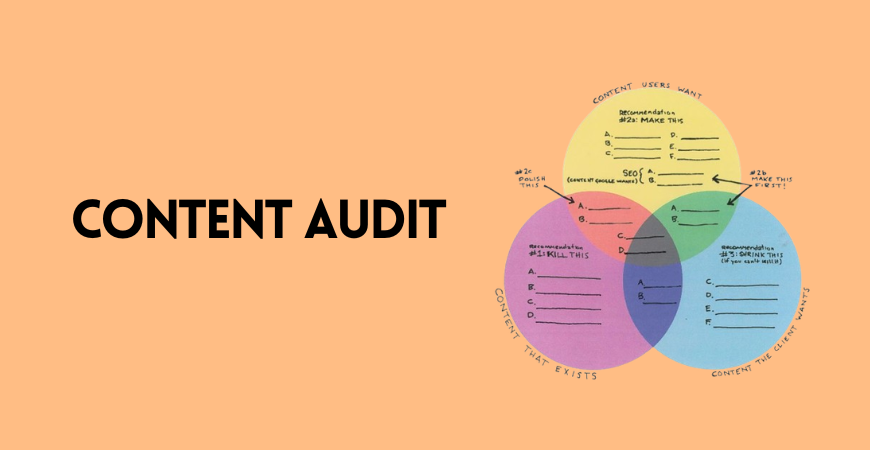
A content audit is a systematic review of a website’s existing content to evaluate its quality, relevance, SEO performance, freshness, and business value. It helps identify which pages to keep, update, improve, consolidate, repurpose, or remove, making the website more useful for visitors and search engines.
Introduction
As websites grow, they often collect outdated articles, overlapping topics, weak pages, and content that no longer matches what people search for. A content audit helps you examine this existing material instead of continuously publishing new pages without knowing what is already working.
The process gives you a clearer picture of your website’s strengths and weaknesses. It can reveal pages worth improving, content that should be combined, and topics that deserve greater attention in your future strategy.
What Is a Content Audit?
A content audit is a structured process of reviewing the material published on a website. It looks beyond the number of pages and evaluates whether those pages are useful, relevant, accurate, visible in search, and aligned with business goals.
A simple URL list tells you what content exists. An audit tells you what that content is doing and what should happen next.
For example, a blog may have 100 articles, but some may generate steady organic traffic while others have declining rankings, outdated information, or overlapping topics. Reviewing these patterns helps you decide whether individual pages should be kept, updated, improved, consolidated, repurposed, or removed.
The process can also help you understand your website’s broader subject coverage. Reviewing topical authority can show whether your content provides enough useful coverage around important subjects or leaves major areas unexplored.
What Does a Content Audit Evaluate?
| Area | What to Check |
| Traffic | Is the page attracting visitors? |
| Rankings | Does it rank for relevant searches? |
| Relevance | Is the information still useful? |
| Quality | Does it provide sufficient value? |
| Search intent | Does it satisfy the user’s purpose? |
| Conversions | Does it support business goals? |
| Freshness | Is the information up to date? |
Not every metric matters equally for every page. A blog post may focus on organic visibility, while a service page may be more important for leads and conversions.
Why Is a Content Audit Important?
A content audit turns scattered performance data into practical decisions. Instead of assuming every page needs more words or keywords, you can identify the specific problems affecting its usefulness and performance.
Find Underperforming Content
An audit can identify pages with weak traffic, declining rankings, low engagement, or few conversions. However, low traffic alone does not mean a page should be deleted. It may target a valuable topic, support another page, or have conversion potential.
Update Outdated Information
Statistics, screenshots, links, examples, and recommendations can become outdated. Reviewing older content helps you identify information that needs verification or replacement.
Updating should involve meaningful improvements rather than simply changing the publication date. Refreshing evidence, improving explanations, and adding useful examples can make an old resource valuable again.
Improve SEO Performance
An audit can uncover weak keyword targeting, search intent mismatches, content overlap, missing internal links, and declining pages. These findings create opportunities for content optimization without automatically requiring a brand-new article.
An audit may also reveal two pages competing for similar searches. Combining their strongest information into one resource can create a clearer experience for readers.
Improve Overall Content Quality
Review whether pages answer their main questions clearly, use accurate information, have logical structures, and provide enough useful detail. Thin, repetitive, or poorly organized content may need improvement even if it still receives some traffic.
Support Content Strategy
Audit findings can also influence your future content marketing plan. For example, if several pages perform well around one topic but lack supporting resources, those gaps can guide future publishing decisions.
This approach is especially useful for educational websites, where regularly reviewing learning resources can reveal outdated information, missing beginner topics, and subjects that need deeper coverage. Academy of Digital Marketing (ADM) can use such insights to keep its educational content useful and relevant to learners.

How to Conduct a Content Audit Step by Step
Step 1: Define Your Audit Goal
Start by deciding what you want to achieve. Your goal could be to:
- Improve organic traffic
- Refresh old content
- Increase conversions
- Improve rankings
- Reduce content overlap
- Remove genuinely low-value pages
Your objective determines which metrics deserve the most attention.
Step 2: Create a Content Inventory
Create a spreadsheet containing your existing pages. Beginners do not need complicated software to start.
Include information such as:
- URL
- Title
- Content type
- Target keyword
- Publication date
- Last updated date
- Traffic
- Impressions
- Average position
- Conversions
- Recommended action
This is also a useful point to review keyword research. You may discover that several pages target similar terms or that important pages are not targeting relevant searches at all.
Step 3: Evaluate Content Performance
Review organic clicks, impressions, traffic, average position, engagement, and conversions.
Look at several metrics together. A page with low traffic may still rank for valuable queries or generate leads. Similarly, a high-traffic article may contribute little to your actual goals.
The purpose is to understand why a page performs the way it does, not simply label it as good or bad.
Step 4: Evaluate Content Quality
Read the actual page and ask:
- Does it answer the main question?
- Is the information accurate?
- Is the structure easy to follow?
- Does it provide sufficient depth?
- Are the examples useful?
- Does it add meaningful value?
You can also assess whether the page follows sound SEO content creation principles. However, avoid making content longer just to increase word count. Better content solves the reader’s problem clearly.
Step 5: Check SEO and Search Intent
Review the primary keyword, search intent, title, headings, meta description, internal links, external references, and overall structure.
Search intent is especially important. A page can contain the right keyword but still fail to satisfy the searcher.
For example, someone searching for “how to conduct an audit” expects a practical process. A page that only provides a definition may be relevant but incomplete.
Step 6: Decide What to Do With Each Page
Use your findings to assign an appropriate action.
| Finding | Action |
| Strong performance | Keep |
| Good content but declining traffic | Update |
| Useful but incomplete | Improve |
| Similar pages | Consolidate |
| Outdated but valuable | Refresh |
| Valuable in another format | Repurpose |
| No value or purpose | Consider removing |
Do not make these decisions based on traffic alone. Consider relevance, quality, search demand, rankings, links, and conversions together.
If a useful article could work as a video, infographic, checklist, or social post, content repurposing can extend its value without starting from scratch.
What Should You Create Next?
A content audit should also influence future content creation. Look for unanswered questions, missing subtopics, and areas where readers need additional resources. These findings can guide content ideation and help build a more connected content library.
For example, if a beginner SEO guide performs well but lacks supporting articles on internal linking or technical SEO, those missing topics can become future content opportunities.
A digital marketing institute can similarly use audit findings to identify which learning resources need updating and which new topics could better support its audience.
Content Audit vs Content Gap Analysis
These processes are connected but serve different purposes.
| Content Audit | Content Gap Analysis |
| Evaluates existing content | Finds missing content |
| Focuses on current pages | Often compares competitors and SERPs |
| Finds weak or outdated pages | Finds missing topics and subtopics |
| Leads to updating, merging, or removing | Leads to creating or expanding content |
In simple terms:
Content audit: How well is our existing content performing?
Content gap analysis: What valuable content are we missing?
If your audit reveals missing topics that competitors cover effectively, a content gap analysis can help investigate those opportunities further.
Frequently Asked Questions
1. What is a content audit?
It is a systematic review of existing website content to evaluate its performance, quality, relevance, SEO, freshness, and business value.
2. How often should you conduct an audit?
It depends on your website size, publishing frequency, and industry. Frequently updated websites may need more regular reviews, while smaller sites can audit less often.
3. What should I check during an audit?
Check performance, quality, relevance, search intent, SEO elements, freshness, internal links, and conversions. Use the metrics that match each page’s purpose.
4. Should I delete low-performing content?
Not automatically. Review search demand, relevance, quality, links, conversions, and potential before deciding whether to improve, consolidate, redirect, or remove it.
Conclusion
A content audit helps you understand what your existing content is doing and what should happen next. By evaluating performance, quality, relevance, SEO, freshness, and business value, you can decide which pages to keep, update, improve, consolidate, repurpose, or remove. Start with your most important or underperforming pages, use multiple signals to guide decisions, and turn the findings into a more focused content strategy.

