Thinking about a career in paid advertising? The best PPC courses can help you build the skills to plan, manage, and measure campaigns. Beyond learning Google Ads, you need to understand keyword selection, budgeting, ad copywriting, and performance analysis. Strong digital marketing skills also help you see how PPC fits into a wider marketing strategy.
The right course should balance platform knowledge with practical learning. While some programmes specialise in PPC, others teach it as part of a broader digital marketing curriculum. Here are five training options worth comparing.
Best PPC Courses to Build Job-Ready Advertising Skills
The following five institutes offer training relevant to paid advertising. As you compare the best PPC courses, look at their curriculum and practical learning opportunities.
1. Academy of Digital Marketing (ADM)
Course Overview
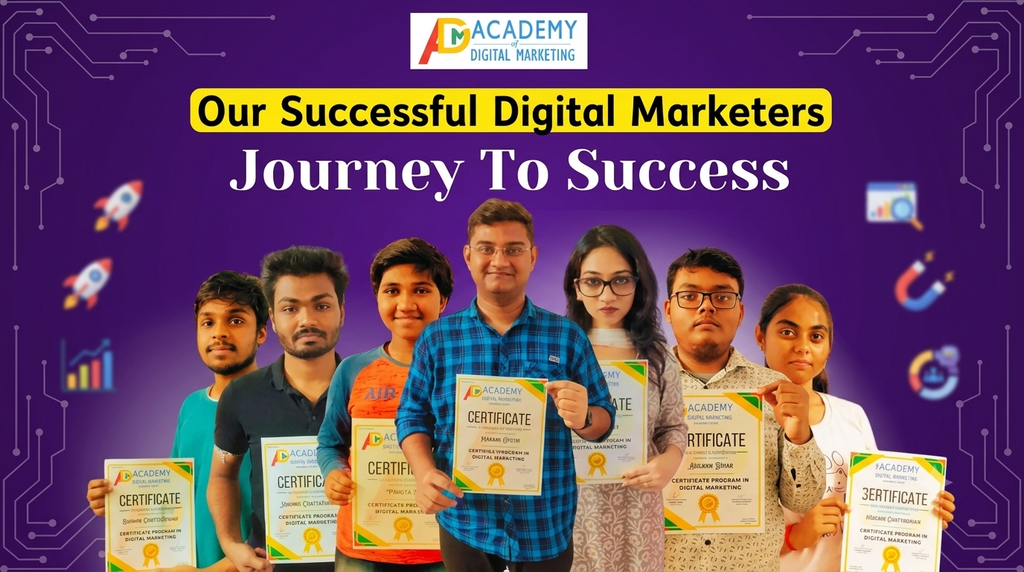
Academy of Digital Marketing (ADM) offers PPC and Google Ads training through its broader digital marketing programmes. Its published syllabus covers Search, Display, Video, Shopping, and other advertising formats, alongside keyword planning, audience targeting, bidding, budget management, and campaign reporting.
ADM offers multiple programme levels, including the Foundation Program, Principal Program, AI Integrated Certificate Program, AI Powered Diploma Program, and AI Generative Master Program. This gives learners different programme options depending on their learning goals and desired depth of study.
PPC Skills You Can Develop
Learners can explore campaign setup, keyword match types, negative keywords, ad groups, bidding strategies, audience selection, and Quality Score. Understanding how a Google Ads campaign is structured helps connect these skills with campaign objectives, audience intent, and advertising performance.
The broader curriculum also introduces learners to other digital marketing areas, which can help them understand how paid advertising works alongside organic search, social media, and content marketing.
Practical Training and Projects
ADM describes its training approach as combining practical exercises, case studies, and live projects. Classroom and online learning options provide flexibility for students and working professionals.
This practical approach can help learners understand how campaign planning, targeting, budgets, and ad relevance influence results. Strong practical digital marketing training is particularly useful when learners need to move beyond platform terminology and understand how advertising decisions are made.
Career Preparation and Support
ADM’s programme information also refers to certifications and career support, including resume preparation and interview guidance. Its longer programmes combine PPC with other digital marketing subjects and AI-enabled learning.
This broader approach may suit learners who want to build several marketing skills before specialising in paid advertising. It can also help beginners explore different areas of digital marketing before deciding which career path to pursue.
Who Should Consider ADM?
ADM may suit students, freshers, graduates, and working professionals who want to learn PPC alongside other essential digital marketing skills. Rather than concentrating only on one advertising platform, learners can develop an understanding of SEO, social media, content marketing, analytics, and paid campaigns.
This can be a useful starting point for someone who wants a wider foundation before moving towards a specialised role in PPC or performance marketing.
2. Institute of Internet and Digital Communication (IIDC)
Course Overview
The Institute of Internet and Digital Communication (IIDC) includes Google Ads in its Professional Digital Marketing Program, with advanced performance marketing covered in its Master Program.
Its published module covers Search campaign structure, Keyword Planner, match types, negative keywords, responsive search ads, budgets, bidding, and search-term analysis.
Practical Learning & Career Support
IIDC describes its training as hands-on and includes campaign-related tasks. Its wider programme information also mentions projects, portfolio development, and resume and interview preparation.
It may suit learners who want Google Ads as part of a structured, multi-channel digital marketing programme.
3. SearchX Academy
Course Overview
SearchX Academy includes Google Ads training in its broader digital marketing programme. Its published curriculum covers Search, Display, and Performance Max campaigns, keyword research, ad copy, bidding, conversion tracking, and optimisation.
Other subjects include Google Analytics 4, social media marketing, content, AI tools, and WordPress.
Practical Learning & Career Support
The academy describes its training as hands-on, with advertising account practice and campaign projects. Its course information also mentions portfolio development, resume and LinkedIn reviews, and mock interviews.
This option may suit learners who want practical exposure to PPC alongside other digital marketing channels.
4. Telzon Academy
Course Overview
Telzon Academy includes Google Ads and paid advertising in its broader digital marketing training. Its published curriculum covers Search, Display, Shopping, and Video ads, along with keyword research, bidding, remarketing, and conversion tracking.
The wider programme also includes SEO, Meta advertising, content marketing, and analytics.
Practical Learning & Career Support
Telzon describes live account practice, campaign projects, and case studies as part of its training approach. Its course information also mentions certification preparation and career support.
Before enrolling, ask how much of the programme involves practical PPC work and what its career assistance includes.
5. ThinkPixel Institute of Digital Marketing
Course Overview
ThinkPixel Institute of Digital Marketing offers PPC training covering areas such as Google Ads, Bing Ads, social media advertising, keyword targeting, ad copywriting, bidding, and remarketing. These topics introduce learners to different aspects of planning and managing paid advertising campaigns.
Practical Learning & Career Support
PPC training generally involves understanding campaign setup, selecting relevant keywords, creating ads, managing budgets, and evaluating campaign performance. Learners should also develop an understanding of conversion tracking and landing-page optimisation to assess how advertising contributes to business goals.

Comparison of the Top 5 PPC Courses
| Institute | Course approach | Main learning focus | May suit |
| Academy of Digital Marketing (ADM) | PPC within broader digital marketing programmes | Google Ads formats, keywords, bidding, budgets, and reporting | Learners seeking a wider digital marketing foundation |
| IIDC | Google Ads within Professional and Master programmes | Search campaigns, keywords, bidding, and ad analysis | Beginners seeking structured multi-channel training |
| SearchX Academy | Google Ads within a practical programme | Search, Display, Performance Max, and campaign projects | Learners interested in hands-on practice |
| Telzon Academy | Paid advertising within broader training | Search, Display, Shopping, Video, and remarketing | Beginners exploring multiple marketing channels |
| ThinkPixel Institute of Digital Marketing | PPC training | Google Ads, Bing Ads, social PPC, and analytics | Learners exploring different areas of paid advertising |
What Skills Should a Job-Ready PPC Course Teach?
When evaluating the best PPC courses, look beyond the number of platforms covered. A job-focused programme should teach you how to plan campaigns, manage advertising platforms, measure conversions, and improve performance. Here are the essential areas to look for.
PPC Fundamentals and Campaign Planning
Learn how pay-per-click advertising works, how ad auctions operate, and how businesses use paid campaigns to generate leads, sales, or website visits. Understand CPC, CPM, and CPA, and how campaign objectives influence advertising decisions.
Understanding the role of PPC advertising alongside organic search and other marketing channels can also help you make better decisions when planning campaigns.
Google Ads and Search Campaign Management
A course should cover account structure, Search and Display campaigns, ad groups, responsive search ads, campaign settings, and ad assets.
It should also explain how formats such as Google Display Ads help businesses reach relevant audiences beyond search results. Understanding the differences between advertising formats can help you select the right campaign type for different marketing objectives.
Keyword Research and Ad Copywriting
PPC keyword research helps identify searches relevant to a product, service, or campaign objective. Learn match types, negative keywords, search-term reports, and keyword grouping.
Practising keyword research with tools such as Google Keyword Planner can help you identify relevant search terms and create more targeted ads. You should also learn how to write ad copy that connects a user’s search with a clear benefit and call to action.
Audience Targeting and Remarketing
Display and social campaigns use audience characteristics, interests, demographics, and previous interactions to reach relevant users.
A good course should explain audience selection, remarketing segments, and how messaging can change across the customer journey. This knowledge can help you understand how to reach new audiences and reconnect with people who have previously interacted with a business.
Budgeting, Bidding, and Campaign Optimisation
PPC professionals need to understand daily budgets, manual and automated bidding, cost per click, and campaign objectives. A course should also explain how to review search terms, test ad variations, and reduce wasted spending.
Understanding a Google Ads budget is important when deciding how to allocate advertising spend and evaluate campaign performance. You should also learn how to identify underperforming campaigns and make adjustments based on relevant data.
Conversion Tracking and Performance Analytics
Clicks alone do not establish whether a campaign is successful. Learn to track meaningful actions such as enquiries, calls, purchases, and registrations.
A course should introduce Google Tag Manager, analytics reports, and metrics such as CTR, CPC, CPA, conversion rate, and ROAS. Proper conversion tracking helps connect advertising activity with actual business outcomes and makes campaign evaluation more meaningful.
Landing Page Optimisation and AI Tools
Learn how message match, page relevance, mobile usability, and clear calls to action affect the visitor experience after an ad click.
AI tools can assist with keyword grouping, ad-copy ideas, research, and reporting. However, marketers must review their accuracy and relevance before using the output in live campaigns.
What Jobs Can You Apply for After PPC Training?
Completing one of the best PPC courses can help you develop skills relevant to entry-level advertising and performance marketing roles, especially when supported by practical projects. Common options include:
- PPC Executive: Sets up, monitors, and optimises paid campaigns.
- Google Ads Executive: Manages campaigns across Google Ads formats.
- Paid Media Executive: Supports paid advertising across search and social platforms.
- Performance Marketing Executive: Analyses campaign results and works to improve performance.
- Digital Advertising Specialist: Supports targeting, campaign delivery, and reporting.
- PPC Freelancer: Manages advertising campaigns for clients.
Employers may assess platform knowledge, analytical thinking, communication, and practical experience. A portfolio containing campaign plans, keyword lists, sample ads, and performance reports can help demonstrate your abilities.
Building a broader digital marketing career foundation may also open opportunities beyond PPC, particularly in organisations where advertising works alongside SEO, social media, and content marketing.
Frequently Asked Questions
Which are the best PPC courses for beginners?
The best PPC courses for beginners are those that explain advertising fundamentals before moving into campaign setup, keyword research, bidding, and optimisation. Compare course content, practical exercises, platform coverage, and trainer support before choosing.
Can I get a job after completing a PPC course?
A course can help you develop relevant skills, but it cannot guarantee employment. Practical campaign experience, analytical ability, communication, and a portfolio can strengthen your job applications.
Is Google Ads certification enough to become a PPC specialist?
Certification can demonstrate platform knowledge, but practical experience is also important. PPC specialists need to understand campaign structure, keyword intent, budgets, conversion tracking, and optimisation.
What skills should I learn to become a PPC executive?
Focus on Google Ads, keyword research, ad copywriting, audience targeting, bidding, budget management, conversion tracking, and analytics. Practise interpreting campaign reports and identifying improvements.
How long does it take to learn PPC advertising?
The learning time depends on your previous experience, course depth, and practice schedule. You can learn the fundamentals relatively quickly, but managing campaigns confidently requires repeated practice.
Do PPC courses include practical campaign training?
Some programmes offer live account work, campaign projects, or supervised exercises, while others focus more on theory. Check what you will personally create, launch, measure, and optimise before enrolling.
Conclusion
When comparing the best PPC courses, consider whether you want to specialise in paid advertising or build a broader digital marketing foundation. Compare the curriculum, practical projects, platform coverage, and career support before enrolling. If you want to learn PPC alongside other essential marketing skills, explore the programmes of Academy of Digital Marketing (ADM) to find a learning path that matches your goals.