
Introduction
You have finally decided that you will learn digital marketing. You search online, visit a few institute websites, and suddenly every course seems to promise something different. One institute claims you’ll become job-ready in just 30 days. Another offers a 3-month certification, while others recommend a 6-month or even a 10-month professional program. Naturally, one question comes to mind: what is the ideal digital marketing course duration?
The truth is, there isn’t a single answer that fits everyone. The right digital marketing course duration depends on your goals, prior experience, learning pace, and the kind of career you want to build. In this guide, you’ll learn how course duration affects your skills, what you can realistically expect from different programs, and how to choose a course that gives you long-term value rather than simply finishing quickly.
Quick Answer
The average digital marketing course duration ranges from 1 month to 10 months, depending on the curriculum and learning objectives. Short courses are suitable for learning the basics, while professional programs lasting 4 to 10 months generally include practical assignments, AI tools, live projects, internships, portfolio development, and career support. Instead of choosing the shortest course, focus on one that prepares you with practical skills needed for today’s digital marketing industry.
Why Do People Get Confused About Digital Marketing Course Duration?
If you’ve compared different institutes, you’ve probably noticed that everyone advertises a different duration. That’s because there is no universal standard for teaching digital marketing.
Some institutes design their programs for business owners who only need a basic understanding of online marketing. Others create comprehensive career-oriented programs that prepare students for full-time marketing roles.
Here are some common reasons why course durations vary:
- Some courses teach only theory, while others include practical implementation.
- Certain institutes cover only a few marketing channels, whereas others teach SEO, Google Ads, Meta Ads, content marketing, email marketing, analytics, AI, automation, and ecommerce together.
- Some programs include internships and live client projects, which naturally require more time.
- Placement preparation, mock interviews, portfolio building, and resume guidance also extend the overall duration.
This explains why two courses can have completely different durations even though both are called “Digital Marketing Courses.”
Instead of asking,
“Which course is shorter?”
ask,
“What will I actually be able to do after completing this course?”
That single question helps you compare courses much more effectively.
Why Digital Marketing Course Duration Matters
Imagine two students who complete different courses.
Student A finishes a one-month course and learns what SEO, Google Ads, and social media marketing are.
Student B spends several months learning the same concepts but also runs advertising campaigns, performs SEO audits, creates content calendars, analyses website traffic, works with AI tools, and completes live projects.
Both receive certificates.
But when they appear for an interview, who is more likely to answer practical questions confidently?
Most employers today hire people who can solve problems—not simply define marketing terms.
This is why digital marketing course duration matters. More time often allows students to gain:
- Practical experience
- Portfolio projects
- Industry tool exposure
- Mentor feedback
- Internship experience
- Interview preparation
Of course, a longer course isn’t automatically better. If most of the extra time is spent repeating theory, the added duration has little value. The best courses use their time to build practical, job-ready skills.
If you’re still deciding whether digital marketing is the right career, our guide on How to Become a Digital Marketer explains what employers actually expect from beginners before they get their first job.
Think of Learning Digital Marketing Like Learning to Drive
One of the easiest ways to understand digital marketing course duration is to compare it with learning to drive.
You can learn traffic rules in a few days.
You can understand how a car works within a week.
But becoming confident enough to drive through heavy city traffic takes much longer because confidence comes from practice—not theory.
Digital marketing works exactly the same way.
Reading about SEO doesn’t mean you can optimise a website.
Watching a Google Ads tutorial doesn’t mean you can launch profitable campaigns.
Knowing what Google Analytics is doesn’t mean you can interpret website data.
Real learning happens when you repeatedly practise these skills under guidance.
A quality digital marketing course gradually moves students through four important stages:
Learn → Practice → Make Mistakes → Improve
That journey cannot be rushed.
This is why employers usually value candidates who have worked on projects instead of only completing classroom lectures.
Average Digital Marketing Course Duration
Although every institute structures its curriculum differently, most programs fall into one of the following categories.
| Course Type | Typical Duration | Best For |
| Basic Certificate Course | 1–3 Months | Beginners exploring digital marketing |
| Professional Digital Marketing Course | 4–6 Months | Students, freelancers and working professionals |
| Advanced Job-Oriented Program | 7–10 Months | Learners seeking internships and placement support |
The actual digital marketing course duration also depends on whether you’re studying full-time, part-time, online, or in a hybrid classroom environment.
Instead of comparing months alone, compare what students actually accomplish during those months.
What You Learn in a 1–3 Month Digital Marketing Course
A short-duration course is usually designed to build foundational knowledge.
It introduces learners to the major branches of digital marketing without going deeply into each one.
Typically, these courses cover:
- SEO fundamentals
- Social media basics
- Google Ads introduction
- Content marketing
- Email marketing basics
- Website overview
- Basic AI tools
- Introduction to analytics
These programs are suitable if you:
- Own a small business.
- Want to understand online marketing.
- Need basic digital skills.
- Want to explore the field before committing to a longer course.
However, most short courses provide limited opportunities to build a strong portfolio or gain extensive practical experience.
If your long-term goal is employment, you’ll eventually need deeper practical exposure, similar to what is discussed in our guide on Digital Marketing Skills every beginner should develop.
What You Learn in a 4–6 Month Digital Marketing Course
This is where digital marketing starts becoming a practical profession rather than just an academic subject.
Instead of simply understanding concepts, students begin applying them.
A well-designed 4–6 month course usually includes:
- SEO optimisation for real websites
- Google Ads campaign creation
- Social media campaign planning
- Content strategy
- Email marketing
- Google Analytics
- AI-powered marketing tools
- Website optimisation
- Case studies
- Assignments
- Practical assessments
By this stage, students usually develop enough confidence to manage marketing tasks independently.
Many working professionals and freelancers prefer this duration because it balances comprehensive learning with manageable time commitments.
If you’re planning to work in SEO after completing your course, understanding SEO content creation becomes equally important because content and SEO now work together in modern search algorithms.
Similarly, learning how to build an effective content marketing plan helps students understand how organic traffic is generated beyond paid advertising.
Many students also begin exploring Google Analytics reports during this stage because measuring campaign performance becomes just as important as launching campaigns.
What You Learn in a 7–10 Month Digital Marketing Course
Longer professional programs are designed for learners who want to become industry-ready rather than simply earn a certificate.
The additional months aren’t meant for repeating classroom lectures—they should be used to build real experience.
A high-quality advanced program generally includes:
- Live client projects
- Internship opportunities
- Portfolio development
- AI-powered marketing workflows
- Advanced SEO
- Performance marketing
- Ecommerce marketing
- Marketing automation
- Interview preparation
- Resume building
- Mock interviews
- Placement assistance
By the time students complete these programs, they should have practical work they can showcase during interviews instead of relying solely on theoretical knowledge.
This is also why many employers prefer candidates who have completed structured training with projects and internships.
If your goal is long-term career growth rather than only obtaining a certificate, look closely at what occupies those extra months. Are you gaining real experience, or simply attending more classroom sessions?
One good way to judge a program is by comparing its syllabus, practical training, and career support—not just its duration. For example, digital marketing course with internship opportunities, AI modules, and portfolio-based learning often contribute far more to job readiness than additional classroom hours alone.
Likewise, if you’re comparing institutes, consider whether they offer practical training that mirrors real industry work. The strongest programs use their extended duration to help students build confidence through live projects, mentor feedback, and internship experience rather than theory alone.
From Learning to Landing Your First Job
Many beginners assume that completing a course automatically makes them job-ready. In reality, employers don’t hire candidates based on certificates alone—they hire people who can demonstrate skills, solve real marketing problems, and show evidence of their work.
A well-structured digital marketing course duration should guide you through five essential stages, each building on the previous one and preparing you for your first marketing role.
Stage 1: Learn
This is where you build your foundation. You’ll understand concepts such as SEO, Google Ads, Meta Ads, content marketing, email marketing, analytics, AI tools, and website optimisation. At this stage, theory is important because it helps you understand why different marketing strategies work.
Stage 2: Practice
Knowledge only becomes valuable when you apply it. Students should optimise websites, create Google Ads campaigns, schedule social media posts, write content, analyse traffic reports, and experiment with AI tools. Practical assignments help transform theoretical knowledge into usable skills.
During this phase, understanding Google Ads campaign creation and campaign optimisation helps students experience how paid advertising works in real business situations.
Stage 3: Build a Portfolio
A portfolio demonstrates your abilities much better than a certificate. It may include SEO audits, content samples, ad campaigns, landing pages, website optimisation reports, analytics dashboards, or social media strategies.
For example, learning Google Ads optimization teaches students how to improve campaign performance using actual data instead of relying on assumptions.
Stage 4: Internship
An internship bridges the gap between classroom learning and professional work. Students interact with mentors, clients, deadlines, and real business challenges while developing confidence before entering the job market.
Stage 5: Get Hired
By this stage, students should possess technical skills, practical experience, confidence, and a portfolio that demonstrates their capabilities. Employers value candidates who can show evidence of their work rather than simply presenting certificates.
The best digital marketing course duration is one that allows enough time to complete each of these stages without rushing through the learning process.
Online vs Offline: Does Learning Mode Affect Course Duration?
One of the most common questions beginners ask is whether online courses take longer than classroom programs.
The answer depends more on the learner than the learning mode.
Online Learning
Online courses usually offer greater flexibility. Students can learn at their own pace, revisit recorded sessions, and continue learning alongside college or work.
Best suited for:
- Working professionals
- Business owners
- Freelancers
- Students with busy schedules
However, online learning requires discipline. Without consistent practice, it’s easy to fall behind.
Offline Classroom Learning
Offline classes provide structured schedules, immediate interaction with trainers, classroom discussions, and networking opportunities with fellow learners.
They’re particularly helpful for beginners who benefit from face-to-face guidance and regular mentor support.
Hybrid Learning
Many leading institutes now combine classroom sessions with online resources, allowing students to enjoy both flexibility and personal guidance.
Rather than asking which mode is better, ask which one matches your learning style and availability.
Factors That Affect Digital Marketing Course Duration
Not every institute teaches digital marketing in the same way. Several factors influence how long a course needs to be.
Curriculum Coverage
A course covering only SEO and social media marketing naturally finishes faster than one that also teaches Google Ads, analytics, AI tools, ecommerce, automation, and conversion optimisation.
Practical Training
Assignments, workshops, case studies, and live projects require additional time, but they also create stronger learning outcomes.
Students who complete SEO Audit checklist exercises during training often develop a deeper understanding of website optimisation than those who only study theory.
Industry Tools
Professional marketers use dozens of platforms every day. Learning tools like Google Analytics, Google Ads, Meta Ads Manager, Canva, AI assistants, and reporting software requires practical sessions beyond classroom lectures.
Internship
Structured internships naturally increase course duration because students spend time applying their knowledge to real marketing work.
Career Support
Resume building, mock interviews, portfolio reviews, aptitude preparation, and employer referrals are valuable additions that also extend the learning journey.
Longer courses aren’t valuable simply because they last longer—they’re valuable when every additional week contributes to better practical skills.
The Biggest Mistake Beginners Make
Many students compare only one thing before enrolling:
“Which course finishes the fastest?”
Unfortunately, this often leads to disappointment.
A shorter course may save a few months today, but if it lacks projects, internships, mentor guidance, and practical exposure, students often spend several additional months trying to develop those skills independently.
Instead of focusing only on course duration, compare:
- Practical assignments
- Live projects
- Industry tools
- AI modules
- Internship opportunities
- Portfolio development
- Career support
- Faculty experience
The shortest course isn’t always the quickest path to employment.
How to Choose the Right Digital Marketing Course Duration
The ideal digital marketing course duration depends entirely on your objective.
| Your Goal | Recommended Duration |
| Learn digital marketing basics | 1–3 Months |
| Start freelancing | 4–6 Months |
| Career switch | 4–6 Months |
| Job-ready professional training | 7–10 Months |
| Build advanced practical skills | 7–10 Months |
Ask yourself these questions before enrolling:
- Do I only want theoretical knowledge?
- Do I want practical experience?
- Will I receive mentor guidance?
- Will I build a portfolio?
- Does the course include internships?
- Will I receive interview preparation?
- Is AI included in the syllabus?
- What happens after the course ends?
The answers usually reveal whether a course offers genuine value.
Why a Longer Master Program Can Be Worth It
Many beginners compare digital marketing courses by asking one simple question:
“How quickly can I finish?”
A better question is:
“How prepared will I be when I finish?”
Digital marketing is a practical skill. Understanding concepts like SEO, Google Ads, social media marketing, analytics, and AI tools is only the first step. Students also need time to apply these skills, analyse results, work on projects, make improvements, and develop confidence before entering the industry.
A well-designed Master Program uses its duration to help students:
- Work on live projects
- Learn AI-assisted marketing workflows
- Build a professional portfolio
- Gain experience with industry tools
- Receive mentor feedback
- Prepare for interviews
- Develop job-ready confidence
This is why comparing only the digital marketing course duration can be misleading. The real value comes from how effectively those months are used to transform beginners into capable marketing professionals.
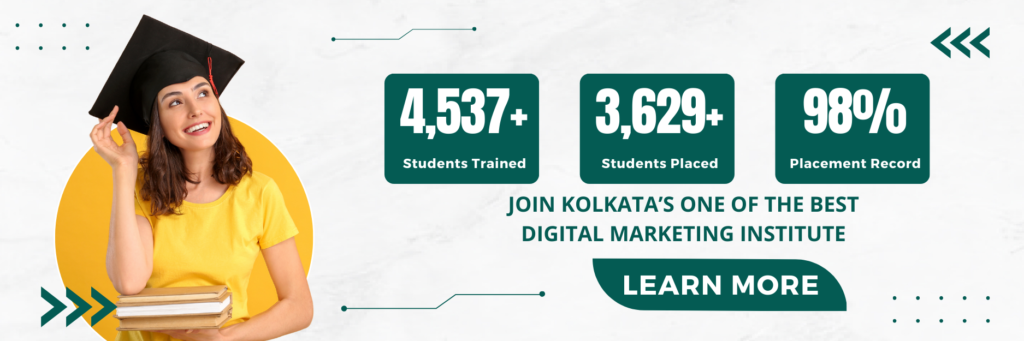
At Academy of Digital Marketing (ADM), the Master Program follows this approach by combining structured learning with practical assignments, live projects, AI-powered marketing, industry tools, internship opportunities, portfolio development, and career preparation. The goal is not just to complete a course but to help students build the skills required for real digital marketing roles.
What Does a Master Program Offer Beyond a Regular Course?
| Feature | Typical Digital Marketing Courses | ADM’s Master Program |
| Marketing fundamentals | ✓ | ✓ |
| Live projects | Limited | Extensive |
| AI-powered marketing | Sometimes | ✓ |
| Industry tools | Basic | Comprehensive |
| Portfolio development | Limited | ✓ |
| Internship opportunities | Sometimes | ✓ |
| Resume & interview preparation | Rare | ✓ |
| Placement assistance | Limited | ✓ |
| Practical assignments | Few | Extensive |
| Career readiness | Moderate | High |
A course’s duration only matters when that time is used effectively. Programs that include practical projects, industry tools, AI training, internships, and career preparation provide learners with stronger preparation for professional opportunities.
Frequently Asked Questions
1. What is the ideal digital marketing course duration for beginners?
Most beginners benefit from a 4–6 month course for balanced learning, while students seeking complete job readiness often choose programs lasting 7–10 months.
2. Can I learn digital marketing in one month?
Yes, you can understand the basics within a month. However, mastering practical skills generally requires several months of guided practice.
3. Does a longer course guarantee a better job?
No. A longer course is valuable only if it includes practical assignments, projects, internships, and career preparation.
4. Is online learning slower than classroom learning?
Not necessarily. Online courses provide flexible scheduling, whereas classroom-based programs offer more organized and directed support.
5. Should working professionals choose longer courses?
Working professionals usually benefit from flexible programs lasting 4–6 months or hybrid courses that allow them to learn alongside their jobs.
6. Does course duration affect salary?
Salary depends far more on your skills, portfolio, interview performance, and practical experience than on the number of months you studied.
7. How can I compare different institutes?
Compare their syllabus, trainer expertise, AI modules, internship opportunities, practical projects, career support, and student outcomes instead of only comparing duration.
Conclusion
The right digital marketing course duration is not the one that finishes the fastest—it is the one that gives you enough time to build practical skills, gain industry exposure, and become confident in applying what you learn.
A career-focused program should go beyond classroom theory by including live projects, industry tools, AI-powered marketing, portfolio development, internships, and career preparation. These factors determine the value of a course far more than the number of months mentioned in its duration.
At Academy of Digital Marketing (ADM), the Master Program is structured around this approach, helping students develop practical experience alongside essential digital marketing skills. Before making your decision, explore ADM’s digital marketing course syllabus to understand the modules and learning journey, or explore ADM’s digital marketing course options to find the program that best matches your goals.

