The Short Answer
The cart abandonment rate measures the percentage of shoppers who add products to their cart but leave before completing a purchase. Businesses can reduce abandoned checkouts by simplifying the buying process, improving mobile experiences, displaying transparent pricing, building trust, offering flexible payment options, and implementing recovery campaigns such as abandoned cart emails and retargeting ads. Even modest improvements can significantly increase revenue because these visitors have already demonstrated strong buying intent.
Introduction
The cart abandonment rate continues to pose a significant challenge for ecommerce businesses in today’s market. Customers explore products, place items in their cart, initiate checkout, and then exit without finalizing their purchase. For many online stores, this represents thousands or even millions in lost revenue every year.
The good news is that cart abandonment does not necessarily indicate a lack of customer interest. In many cases, shoppers leave because of avoidable issues such as unexpected costs, complicated checkout experiences, limited payment options, or concerns about trust and security.
Understanding why customers abandon carts and learning how to recover those lost opportunities can have a major impact on profitability. This guide explains the most common causes of cart abandonment, practical ways to reduce abandonment, and proven strategies to recover lost sales.
What Is Cart Abandonment Rate?
Cart abandonment rate refers to the percentage of shoppers who add products to their shopping cart but fail to complete their purchase.
The formula is straightforward:
Cart Abandonment Rate = (Abandoned Carts ÷ Total Carts Created) × 100
For example, if 1,000 shoppers create carts and only 300 complete a purchase, the cart abandonment rate is 70%.
Monitoring this metric helps businesses understand how effectively they convert buying intent into completed transactions. Companies already tracking ecommerce analytics often discover that improving cart abandonment can produce faster revenue gains than investing heavily in additional traffic acquisition.
Why Cart Abandonment Matters
Reducing the abandonment rate is often one of the most profitable optimization opportunities available to ecommerce businesses.
Consider two stores receiving the same monthly traffic:
| Metric | Store A | Store B |
| Visitors | 50,000 | 50,000 |
| Cart Abandonment Rate | 75% | 60% |
| Completed Orders | 1,250 | 2,000 |
Even though both stores attract the same number of visitors, the business with the lower cart abandonment generates substantially more revenue.
Recovering abandoned shoppers is especially valuable because these visitors have already moved deep into the buying journey. Improving checkout efficiency frequently delivers better returns than spending additional budget on advertising campaigns.
Common Reasons Customers Abandon Their Carts
Before businesses can reduce cart abandonment, they need to understand why shoppers leave.
Unexpected Costs
Unexpected charges are one of the leading causes of cart abandonment.
Customers often abandon purchases after discovering:
- High shipping fees
- Additional taxes
- Service charges
- Import duties
Transparent pricing helps reduce surprises and creates a smoother purchasing experience.
Strategies include:
- Showing shipping estimates early
- Displaying taxes upfront
- Offering free shipping thresholds
- Providing order summaries before checkout
These small adjustments can significantly improve conversion performance.
Complicated Checkout Processes
Lengthy checkout experiences introduce friction and discourage customers from completing purchases.
Common issues include:
- Too many form fields
- Multiple checkout pages
- Forced account registration
- Confusing navigation
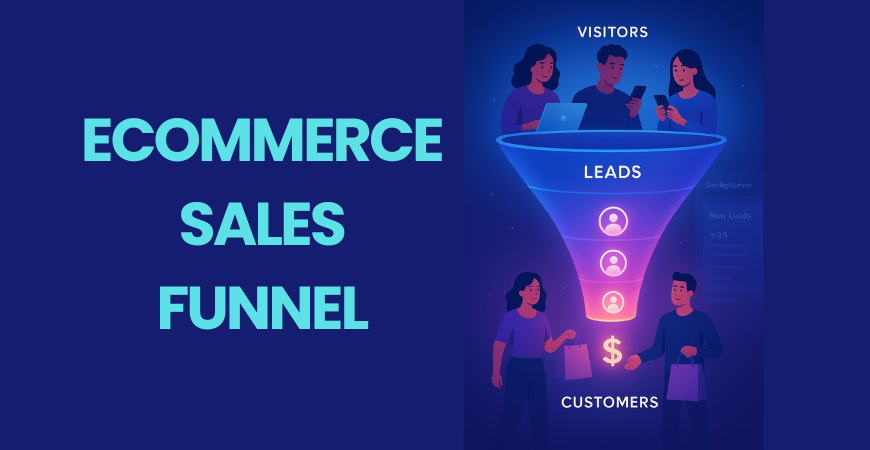
Businesses should regularly analyze their sales funnel to identify areas where customers drop off and simplify those stages whenever possible.
Effective checkout optimization often includes:
- Guest checkout options
- Progress indicators
- Autofill functionality
- Fewer required fields
- Streamlined navigation
Limited Payment Options
Customers increasingly expect flexibility when making purchases online.
Preferred payment methods vary depending on region and audience demographics.
Options may include:
- Credit cards
- Debit cards
- UPI payments
- Digital wallets
- Buy-now-pay-later solutions
Failing to support preferred payment methods can increase abandonment levels considerably.
Lack of Trust Signals
Trust plays a major role in purchase decisions.
Shoppers are less likely to complete transactions if they question website credibility.
Important trust signals include:
- Security certificates
- Verified payment badges
- Customer reviews
- Transparent refund policies
- Easy access to customer support
Building confidence throughout the checkout process can encourage hesitant buyers to complete their orders.
Slow Website Performance
Page speed directly affects conversions.
Customers expect fast-loading websites, especially on mobile devices.
Slow checkout pages, delayed payment processing, and poor website responsiveness can quickly increase abandonment rates.
Regular performance audits can help businesses identify technical barriers that affect conversions.
Cart Abandonment Rate Benchmarks
Businesses often ask:
What is a good cart abandonment rate?
While performance varies by industry, these benchmarks provide useful guidance.
| Cart Abandonment Rate | Interpretation |
| Below 50% | Excellent |
| 50–60% | Strong |
| 60–70% | Average |
| 70–80% | Needs Improvement |
| Above 80% | High Risk |
Rather than focusing exclusively on industry averages, businesses should prioritize consistent improvement over time.
Lowering the abandonment rate from 75% to 65% can create a significant increase in revenue without attracting additional traffic.
How to Reduce Cart Abandonment Rate
Reducing the cart abandonment rate requires improving both user experience and checkout efficiency.
Simplify the Checkout Process
Complicated checkouts remain one of the biggest reasons shoppers abandon purchases.
An optimized checkout should be:
- Fast
- Simple
- Mobile-friendly
- Easy to navigate
Best practices include:
✔ Guest checkout
✔ Autofill support
✔ Fewer form fields
✔ Progress indicators
✔ Clear calls-to-action
Businesses investing in ecommerce conversion optimization often discover that checkout improvements produce some of the highest returns among all optimization activities.
Display Costs Upfront
Customers dislike surprises.
Unexpected shipping charges introduced at the final stage frequently increase abandonment.
Businesses should communicate:
- Shipping costs
- Taxes
- Handling fees
- Delivery timelines
Offering free shipping thresholds can also encourage larger purchases while lowering checkout abandonment.
For example:
“Free shipping on orders above ₹1,500”
This strategy not only reduces abandonment but can also increase average order value.
Improve Mobile Checkout Experiences
Mobile commerce continues to expand rapidly.
However, mobile users often experience higher abandonment rates.
Common mobile issues include:
- Small buttons
- Difficult navigation
- Long forms
- Slow loading times
- Poor responsiveness
Mobile optimization has become an essential part of a successful ecommerce marketing strategy because a growing share of purchases now happens through smartphones.
Businesses should regularly test checkout experiences across multiple devices to ensure a seamless purchasing journey.
Build Trust Throughout Checkout
Trust becomes increasingly important during the final purchase stages.
Businesses should prominently display:
- Security badges
- SSL certificates
- Customer testimonials
- Money-back guarantees
- Return policies
Reassurance reduces hesitation and increases purchase confidence.
Clear communication about refunds and returns also helps improve customer satisfaction over the long term.
Offer Flexible Payment Options
The easier it is to pay, the more likely customers are to complete purchases.
Businesses should provide multiple payment choices that align with customer preferences.
Examples include:
- Credit cards
- UPI
- PayPal
- Apple Pay
- Google Pay
- EMI options
Payment flexibility removes barriers that might otherwise increase checkout abandonment.
Use Exit-Intent Popups
Exit-intent popups can capture users who are about to leave.
Examples include:
“Wait! Complete your order today and receive 10% off.”
Or:
“Free shipping available for the next 30 minutes.”
Used strategically, these offers can recover sales without heavily impacting profit margins.
How to Recover Lost Sales
Even when customers abandon their carts, businesses still have opportunities to recover revenue.
Recovery campaigns target shoppers who have already demonstrated buying intent.
Send Abandoned Cart Emails
Email remains one of the most effective cart recovery channels.
Many brands use ecommerce email marketing campaigns to bring visitors back to complete purchases.
An effective sequence often includes:
First Email: Reminder
Send within one hour.
Include:
- Cart contents
- Product images
- Checkout links
Second Email: Reinforcement
Send after 24 hours.
Highlight:
- Product benefits
- Customer reviews
- Guarantees
- Testimonials
Third Email: Incentive
Send after 48–72 hours.
Offer:
- Free shipping
- Discount codes
- Limited-time promotions
Well-designed email campaigns can substantially reduce overall abandonment levels.
Launch Retargeting Campaigns
Retargeting keeps products visible after visitors leave a website.
Platforms commonly used include:
- Google Ads
- Facebook Ads
- Instagram Ads
Dynamic ads can showcase:
- Recently viewed products
- Abandoned carts
- Personalized recommendations
Retargeting also complements broader customer retention initiatives by maintaining engagement with interested shoppers.
Use SMS Recovery Campaigns
SMS campaigns often achieve extremely high open rates.
Messages should remain concise and action-oriented.
Example:
“Your cart is waiting. Complete your order today and enjoy free shipping.”
Timing matters.
Sending messages too frequently may discourage customers rather than recover them.
Measuring Cart Recovery Success
Reducing cart abandonment requires ongoing measurement.
Key metrics include:
| Metric | Purpose |
| Cart Abandonment Rate | Measures checkout losses |
| Checkout Completion Rate | Tracks checkout efficiency |
| Recovery Email Rate | Evaluates campaign performance |
| Revenue Recovered | Measures financial impact |
| Average Order Value | Tracks spending behavior |
Businesses focused on ecommerce analytics often review these metrics weekly to identify patterns and prioritize future improvements.

Common Mistakes That Increase Cart Abandonment
Hiding Additional Costs
Unexpected charges create friction and reduce trust.
Always communicate pricing clearly.
Requiring Account Creation
Many shoppers prefer guest checkout.
Allow registration after purchase completion.
Ignoring Mobile Users
Mobile abandonment rates typically exceed desktop abandonment rates.
Poor mobile experiences lead directly to lost revenue.
Sending Excessive Recovery Messages
Persistent follow-up can be effective.
Aggressive communication can become intrusive.
Maintain a balanced recovery schedule.
Prioritizing Traffic Over Conversions
More visitors do not always mean more sales.
Businesses often see faster results by improving checkout experiences rather than increasing advertising budgets.
Frequently Asked Questions
What is cart abandonment rate?
The cart abandonment rate measures the percentage of shoppers who add products to their cart but leave without completing a purchase.
What is considered a good abandonment rate?
A value between 50% and 60% is generally considered strong, although performance benchmarks vary across industries and business models.
Why do shoppers abandon their carts?
Common causes include unexpected costs, complicated checkout processes, lack of trust signals, limited payment options, and poor mobile experiences.
How can businesses reduce abandonment?
Businesses can reduce the cart abandonment rate by simplifying checkout, improving mobile usability, offering transparent pricing, providing more payment options, and implementing recovery campaigns.
Are abandoned cart emails effective?
Yes. Abandoned cart emails are among the highest-performing recovery strategies because they target shoppers who have already demonstrated strong purchase intent, helping businesses lower their cart abandonment rate and recover lost sales.
Conclusion
A high cart abandonment rate represents one of the largest missed revenue opportunities in ecommerce. Since these shoppers have already shown strong purchase intent, recovering even a small percentage of abandoned carts can have a meaningful impact on overall sales.
By simplifying checkout, improving trust, optimizing mobile experiences, and implementing recovery strategies such as email campaigns and retargeting, businesses can recover lost sales and create a more efficient buying experience for customers.