
Introduction
Topical authority has become one of the biggest ranking factors behind modern SEO success. In 2026, merely publishing random blog posts will not suffice to build consistent rankings or long-term organic traffic.
Many websites still follow an outdated strategy:
Write more blogs → target more keywords → expect more traffic.
But search engines have evolved.
Google now tries to understand whether your website genuinely demonstrates expertise around a topic. That means websites with structured, connected, and relevant content often outperform websites publishing unrelated articles every week.
This is where this authority changes the game.
Instead of focusing on isolated keywords, this authority focuses on building depth around a subject. It helps search engines understand:
- What your website is about
- How deeply you cover a topic
- Whether users can trust your content
In this guide, you’ll learn what this authority really means, why random content struggles today, and how beginners can build a stronger SEO foundation through connected content strategies.
What is Topical Authority?
Topical authority is the process of building trust and expertise around a specific subject by creating multiple related pieces of content.
Instead of publishing one article on SEO and another unrelated article on fitness, a website builds this authority by covering connected subtopics in depth.
For example, a website focused on SEO may publish articles about:
- Keyword research
- Content optimization
- Technical SEO
- Search intent
- Internal linking
- Website audits
Over time, Google starts recognizing that website as knowledgeable about SEO.
That recognition is this authority.
Why Topical Authority Matters More in 2026
Search engines are no longer ranking pages only based on exact keywords.
Today, algorithms evaluate:
- Topic relationships
- Semantic relevance
- User satisfaction
- Content depth
- Website expertise
This change became more important after the rise of AI-generated content. Since thousands of websites can now create content quickly, Google increasingly prioritizes websites that show clear expertise and topical consistency.
A website publishing random disconnected blogs may still rank occasionally, but maintaining long-term visibility becomes difficult without this authority.
Why Random Content No Longer Works
A few years ago, websites could publish almost any content and still attract traffic through keyword targeting alone.
That strategy is becoming weaker.
Imagine two websites:
Website A
Publishes:
- SEO tips
- Fitness guides
- Movie reviews
- Crypto news
- Travel blogs
Website B
Publishes:
- Keyword research guides
- SEO audits
- On-page optimization
- Search intent strategies
- Technical SEO tutorials
Which website appears more trustworthy for SEO-related searches?
The answer is obvious.
Website B demonstrates topical authority because its content supports a clear subject area.
Google prefers websites that show consistency because they help users find connected information more easily.
How Google Understands Topical Relevance
Search engines now evaluate content relationships instead of looking at pages individually.
When your articles connect logically, Google understands:
- The central theme of your website
- The depth of your expertise
- The relevance between pages
This is why isolated blogging strategies often struggle.
If you publish one article about SEO and never cover related concepts again, search engines have limited signals about your expertise.
But if you continuously publish connected articles, your website becomes semantically stronger.
The Transition From Keyword SEO to Topic SEO
Traditional SEO placed a strong emphasis on exact-match keywords.
Modern SEO focuses more on topical coverage.
Old SEO Approach
- Target one keyword
- Optimize one page
- Repeat keyword multiple times
Modern SEO Approach
- Build topic clusters
- Answer related questions
- Connect supporting content
- Create contextual depth
This doesn’t mean keywords no longer matter. They still do.
But keywords now work best when supported by broader topical authority.
Understanding Content Clusters
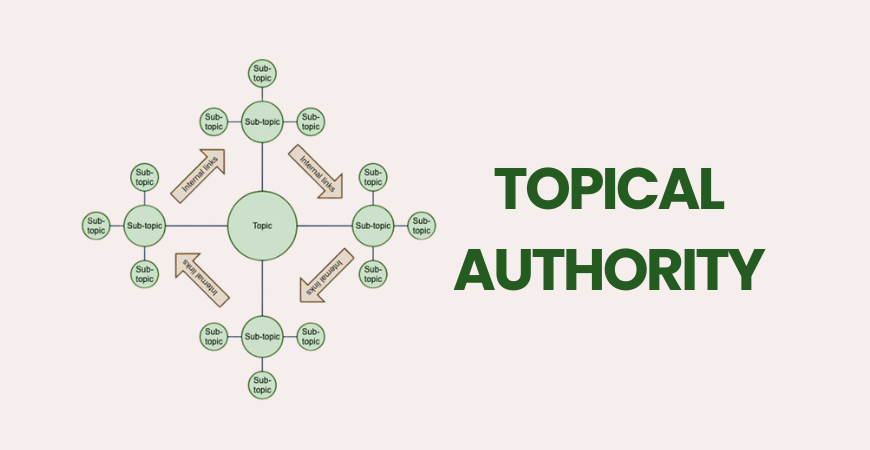
One of the best ways to build this authority is through content clusters.
A content cluster is a group of related articles connected around a central topic.
Example of an SEO Content Cluster
Main Topic:
SEO
Supporting Topics:
- Keyword research
- On-page SEO
- Technical SEO
- Content optimization
- Backlink strategies
- Search intent
Each supporting article strengthens the overall SEO theme of the website.
This structure helps:
- Users navigate easily
- Search engines understand relationships
- Pages support each other through internal linking
How Internal Linking Supports This Authority
Internal linking is one of the strongest signals for topical relationships.
When related articles connect naturally, search engines better understand your website structure.
For example, a blog about content planning can naturally link to search intent because both topics are closely connected.
Similarly, an article discussing optimization can reference on-page SEO to provide deeper understanding.
These contextual relationships improve this authority over time.
Step-by-Step Process to Build This Authority
Step 1: Choose One Core Topic
Beginners often make the mistake of targeting too many niches at once.
Instead, choose one clear subject initially.
Examples:
- SEO
- Digital marketing
- Email marketing
- PPC advertising
Focusing on one area helps your content build stronger topical signals.
Step 2: Identify Related Subtopics
Once your core topic is selected, list all connected subtopics.
For SEO, this may include:
- Keyword research
- Technical SEO
- Content optimization
- SEO audits
- Internal linking
- Schema markup
This creates a roadmap for future content.
Step 3: Match User Intent Carefully
Creating connected content is not enough.
You also need to understand search intent properly.
Some users want:
- Explanations
- Comparisons
- Tutorials
- Solutions
If your content does not match intent, rankings become unstable even with this authority.
Step 4: Create Helpful and Structured Content
Google increasingly prioritizes usefulness.
This means your content should:
- Solve problems clearly
- Use simple language
- Provide practical value
- Maintain logical structure
This is where strong SEO content creation becomes important.
This authority is not built through quantity alone. Quality still matters.
Step 5: Connect Articles Naturally
Random internal links do not help much.
Instead, connect articles where they genuinely support the discussion.
For example:
- Content planning → keyword research
- Optimization → on-page SEO
- Ranking improvement → organic traffic
This creates a natural topic ecosystem.

Topical Authority vs Keyword Stuffing
Many beginners confuse this authority with keyword repetition.
They are completely different.
| Keyword Stuffing | Topical Authority |
| Repeats same keyword excessively | Covers related concepts naturally |
| Focuses on exact phrases | Focuses on topic depth |
| Often harms readability | Improves content relevance |
| Short-term tactic | Long-term strategy |
| Weak user experience | Better user satisfaction |
Modern SEO rewards topical depth more than repetitive optimization.
Signs Your Website Lacks This Authority
Some common signs include:
Rankings Fluctuate Frequently
Your pages appear briefly and disappear quickly.
Traffic Depends on One or Two Blogs
You lack supporting topic depth.
Google Indexes Slowly
Weak topical relevance may reduce crawl priority.
Articles Feel Disconnected
Your content does not support a central theme.
Internal Linking Feels Forced
There is no natural relationship between articles.
How This Authority Improves Rankings
This authority strengthens SEO in multiple ways.
Better Search Engine Understanding
Google understands what your website specializes in.
Faster Ranking Potential
New articles may rank faster because your website already has topical relevance.
Stronger Internal Linking
Related pages pass contextual relevance to each other.
Improved Organic Visibility
Covering connected topics increases opportunities to rank for multiple search variations and improves long-term organic traffic growth.
Beginner-Friendly Example of This Authority
Imagine two websites entering the SEO niche.
Website A
Publishes:
- One keyword research article
- One backlink article
- One random AI article
Website B
Publishes:
- Keyword research guides
- Search intent tutorials
- SEO audit checklists
- Optimization strategies
- Technical SEO guides
- Internal linking tips
Over time, Website B becomes much stronger because every article reinforces the same topical theme.
This is how this authority grows.
Common Mistakes While Building This Authority
1. Publishing Unrelated Content Too Early
Trying to cover too many niches weakens topical signals.
2. Ignoring Content Structure
Poor organization makes it difficult for search engines to understand relationships.
3. Writing Only High-Volume Topics
High competition keywords alone do not build authority.
Smaller supporting topics are equally important.
4. Weak Internal Linking
Disconnected content creates isolated pages.
5. Focusing Only on Quantity
Publishing a high amount of low-quality AI content rarely builds sustainable topical authority.
Why This Authority Takes Time
One important thing beginners should understand:
This authority is gradual.
It develops through:
- Consistent publishing
- Connected content
- Regular updates
- Topical relevance
This is why long-term SEO success depends on patience and structure.
How to Start Building This Authority Today
You do not need hundreds of articles immediately.
Start with:
- One core niche
- Five related subtopics
- Helpful beginner-focused content
- Strong internal linking
- Regular updates
Over time, your website becomes semantically stronger.
Conclusion
Topical authority is changing how websites rank in modern SEO.
Search engines no longer evaluate pages only through isolated keywords. They now evaluate how deeply your website understands and covers a subject.
This is why random content strategies are becoming less effective.
Websites that build connected, structured, and relevant content ecosystems are more likely to achieve long-term visibility.
Instead of asking:
“How many blogs should I publish?”
A better question today is:
“How strongly are my articles connected?”
That shift is the foundation of this authority.
Frequently Asked Questions
1. What is topical authority in SEO?
Topical authority is the process of building expertise and trust around a subject through connected, high-quality content.
2. How many articles are needed to build this authority?
There is no fixed number. Even small websites can build this authority if their content is deeply connected and consistently focused.
3. Does internal linking help this authority?
Yes, internal linking aids search engines in recognizing the connections between pages and enhances contextual relevance.
4. Can beginners build this authority?
Absolutely. Beginners can build this authority by focusing on one niche and covering related topics consistently.
5. How long does this authority take to improve rankings?
It depends on competition and content quality, but noticeable improvements usually take several months of consistent publishing and optimization.

