
Introduction
If you’ve recently started exploring digital marketing, one question that naturally comes up is: what is PPC in digital marketing?
At first, it sounds simple. You pay money, your ads appear, and people click. That’s the basic idea most beginners start with.
But once you look a little deeper, you’ll realize that PPC is not just about spending money to get traffic. There’s a system working behind every ad you see, a system that decides which ads appear, where they appear, and why some perform better than others.
Understanding that system is what actually helps you use PPC effectively.
In this guide, you’ll not only learn what is PPC in digital marketing, but also how it really works behind the scenes, why some ads consistently perform better, and how you can approach it the right way even as a beginner.
What Is PPC in Digital Marketing?
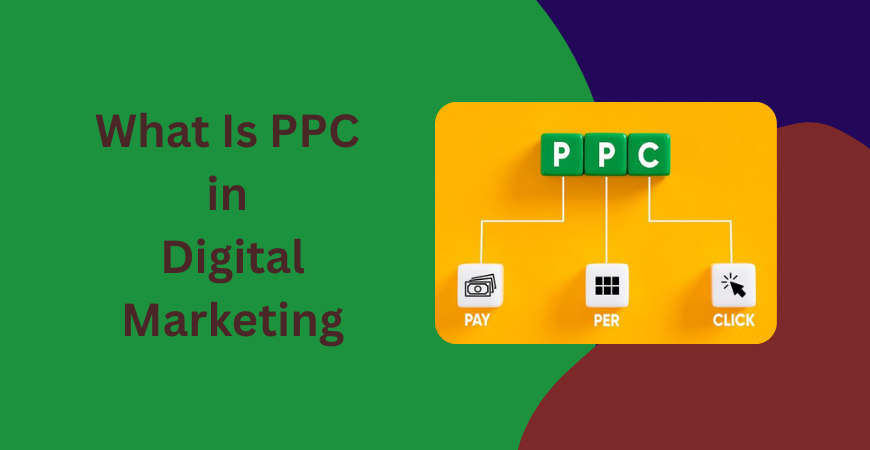
PPC (Pay-Per-Click) is a digital advertising strategy in which advertisers pay a fee whenever someone clicks on their ad.
Instead of earning traffic organically, you’re essentially buying visits to your website.
These ads can be shown on:
- Search engines (like Google)
- Social media platforms
- Websites and blogs
- Video platforms
For example, when you search for something like “digital marketing course”, the results marked as “Ad” are PPC ads.
But this is where it gets interesting.
Not every advertiser showing up there is simply paying the most.
So, if PPC isn’t just about paying more, what actually decides who appears at the top?
The Truth Most Beginners Miss About PPC
To truly understand what is PPC in digital marketing, you need to shift your perspective.
PPC is not just advertising. It works like an auction system.
Every time someone searches, a real-time auction happens in milliseconds. Advertisers compete for that position, and only a few win.
And surprisingly, the highest bidder doesn’t always win.
That’s what makes PPC a strategic system rather than just an expensive one.
How PPC Really Works: The Ad Auction System
Let’s see this step by step.
Step 1: A User Searches for Something
A user enters a query such as:
- “best digital marketing course”
- “buy running shoes online”
This triggers the system.
Step 2: The Platform Finds Relevant Ads
The platform, like Google Ads, scans its database and identifies advertisers targeting similar keywords.
Only relevant ads are considered.
Step 3: Advertisers Enter the Auction
All eligible advertisers enter a real-time auction.
This happens instantly, even before the results appear.
Step 4: The System Evaluates Each Ad
The platform does not only consider who is paying the most.
It evaluates:
- Relevance of the ad
- Quality of the landing page
- Expected click-through rate
Step 5: Ads Are Ranked and Displayed
Based on these factors, the platform decides:
- Which ads appear
- In what order they are shown
The top positions naturally receive the highest visibility and clicks.
However, if an ad fails to compete effectively at this stage, it may not show at all, which is often the underlying reason why your Google Ads are not getting impressions.

The Three Key Factors That Decide Who Wins in PPC
Understanding these factors is essential if you want to fully grasp what is PPC in digital marketing.
1. Bid: How Much Amount You’re Willing to Pay
This is the maximum amount you’re willing to pay per click.
Naturally, higher bids can improve your chances, but they don’t guarantee success.
Important insight: Spending more money alone does not ensure better performance.
What matters more is how you manage your bids. Different approaches focus on different goals, and choosing the wrong one can lead to wasted budget. That’s why understanding the bidding strategy in Google Ads becomes important if you want consistent and controlled results.
2. Ad Quality: Relevance Matters More Than You Think
Search engines prioritize user experience, so they favor ads that are relevant and useful.
They evaluate:
- How well your ad matches the keyword
- The usefulness of your landing page
- Whether your content satisfies user intent
This is commonly known as Quality Score.
A highly relevant ad can outperform a poorly written ad, even with a lower bid.
3. Expected Performance: CTR & Engagement
Platforms also estimate how users are likely to respond to your ad.
They consider:
- Past ad performance
- Click-through rate trends
- Engagement signals
Ads that consistently attract clicks are more likely to secure better positions.
Key Takeaway
PPC is not about who spends more; it’s about who performs better.
Why PPC Is Powerful for Beginners
Now that you understand what is PPC in digital marketing, let’s look at why it is so effective.
1. Instant Visibility
Unlike SEO, which takes time, PPC delivers immediate exposure.
Your ads can appear on the first page within minutes.
2. Full Budget Control
You have complete flexibility over your spending.
You can:
- Set daily limits
- Adjust bids anytime
- Pause campaigns instantly
However, simply setting a budget is not enough. The way you allocate it plays a major role in performance. Learning how to set a Google Ads budget that actually works helps you avoid wasting money while maximizing results.
3. Highly Targeted Traffic
PPC allows precise targeting.
You can reach users based on:
- Keywords
- Location
- Device
- Interests
This ensures your ads reach the right audience.
4. Measurable Results
Every action in PPC can be tracked.
You can monitor:
- Clicks
- Conversions
- Cost per click
- Return on investment
This makes it easier to improve performance over time.
Types of PPC Ads in Digital Marketing
Now that you understand what is PPC in digital marketing, it’s important to know the different types of PPC ads. These are categorized based on how the ads appear and how users interact with them.
1. Search Ads
These are text ads that show up at the top of search engine results when users look for particular keywords.
Best for targeting users with high intent who are actively looking for a solution.
2. Display Ads
These are visual banner ads that appear across websites, apps, and blogs.
Useful for building brand awareness and reaching a wider audience.
3. Social Media Ads
These ads appear within social media platforms in users’ feeds or stories.
Perfect for targeting by interests, behaviors, and demographics.
4. Video Ads
These ads are shown before, during, or after video content.
Effective for storytelling, engagement, and brand recall.
5. Shopping Ads
These ads display product images, prices, and details directly in search results.
Best suited for eCommerce businesses aiming to drive purchases.
PPC Advertising Platforms You Should Know
To fully understand what is PPC in digital marketing, you should also know where these ads are actually run. Different platforms offer different audience reach, targeting options, and ad formats.
1. Google Ads
Google Ads is one of the most widely used PPC platforms. It enables advertisers to run search, display, shopping, and video ads throughout Google’s network.
Best for capturing high-intent search traffic.
2. Meta Ads: Facebook & Instagram
Meta platforms allow advertisers to run highly targeted ads based on user interests, behavior, and demographics.
Perfect for building brand awareness, fostering engagement, and generating leads.
3. YouTube Ads
YouTube advertising is managed through Google Ads and focuses on video-based campaigns.
Great for visual storytelling and audience engagement.
4. LinkedIn Ads
LinkedIn Ads are designed for professional targeting, allowing businesses to reach users based on job roles, industries, and experience.
Best for B2B marketing and lead generation.
Real-Life Example of PPC in Action
Let’s consider a simple scenario.
Two advertisers are targeting the keyword “digital marketing course.”
Advertiser A:
- High bid
- Poor ad copy
- Weak landing page
Advertiser B:
- Moderate bid
- Relevant ad copy
- Strong landing page
In most cases, Advertiser B wins.
Why?
Because PPC prioritizes relevance and performance over just spending.
Common Beginner Mistakes in PPC
Even after understanding what is PPC in digital marketing, beginners often make mistakes that affect performance.
1. Thinking Budget Is Everything
Higher spending does not guarantee better results.
Strategy matters more than budget.
2. Ignoring Keyword Relevance
Targeting the wrong keywords results in wasted clicks and poor conversions.
3. Writing Weak Ad Copy
Generic ads fail to attract attention or engagement.
4. Neglecting Landing Pages
Even if users click, they won’t convert if the landing page is not effective.
5. Expecting Instant Profit
PPC requires testing, learning, and optimization over time.
PPC vs SEO: Quick Comparison
| Feature | PPC | SEO |
| Speed | Instant | Slow |
| Cost | Paid | Organic |
| Control | High | Limited |
| Long-Term Value | Short-term | Long-term |
The best approach is to use both together.
What is the Cost of PPC?
PPC expenses vary based on a number of factors:
- Industry competition
- Keywords
- Location
- Ad quality
Some clicks may cost ₹5, while others can exceed ₹500.
What matters most is not the cost, but the return you get from it.
Is PPC Worth It for Beginners?
Yes — when used correctly.
PPC is useful for:
- Testing ideas
- Generating leads
- Understanding audience demand
However, success depends on how well you understand and apply the system.
Final Insight: PPC Is Strategy, Not Spending
By now, you should clearly understand what is PPC in digital marketing.
It’s not merely about paying for clicks.
It’s about:
- Understanding how the system works
- Creating relevant ads
- Optimizing performance
The advertisers who succeed are the ones who align their strategy with how PPC actually works.
Conclusion
PPC is more than just a paid advertising model. It’s a system driven by relevance, performance, and strategy.
If you approach it correctly, it can deliver fast and measurable results. But if you rely only on spending, it can quickly become inefficient.
Understanding how it really works is what makes the difference.
FAQs
1. What is PPC in digital marketing in simple terms?
PPC in digital marketing is an advertising model where you pay only when someone clicks on your ad. It allows you to reach people who are actively searching for products or services, making it a fast and targeted way to generate traffic.
2. Is PPC better than SEO?
PPC and SEO serve different purposes. PPC delivers quick results and immediate visibility, while SEO builds long-term organic traffic. Instead of comparing them, it’s better to use both together for a balanced strategy.
3. How much budget do I need for PPC?
You can start with a small budget and gradually increase it based on performance. The key is to spend wisely and optimize your campaigns rather than focusing only on the amount.
4. Can beginners run PPC ads?
Yes, beginners can run PPC ads, but understanding the basics is important. Lacking adequate knowledge can lead to unnecessary spending. Learning how targeting, bidding, and ad quality work can make a big difference.
5. Why are my PPC ads not performing?
Poor performance can be due to multiple reasons such as irrelevant keywords, weak ad copy, low-quality landing pages, or incorrect targeting. Identifying the exact issue and improving it step by step is the best way to get better results.

